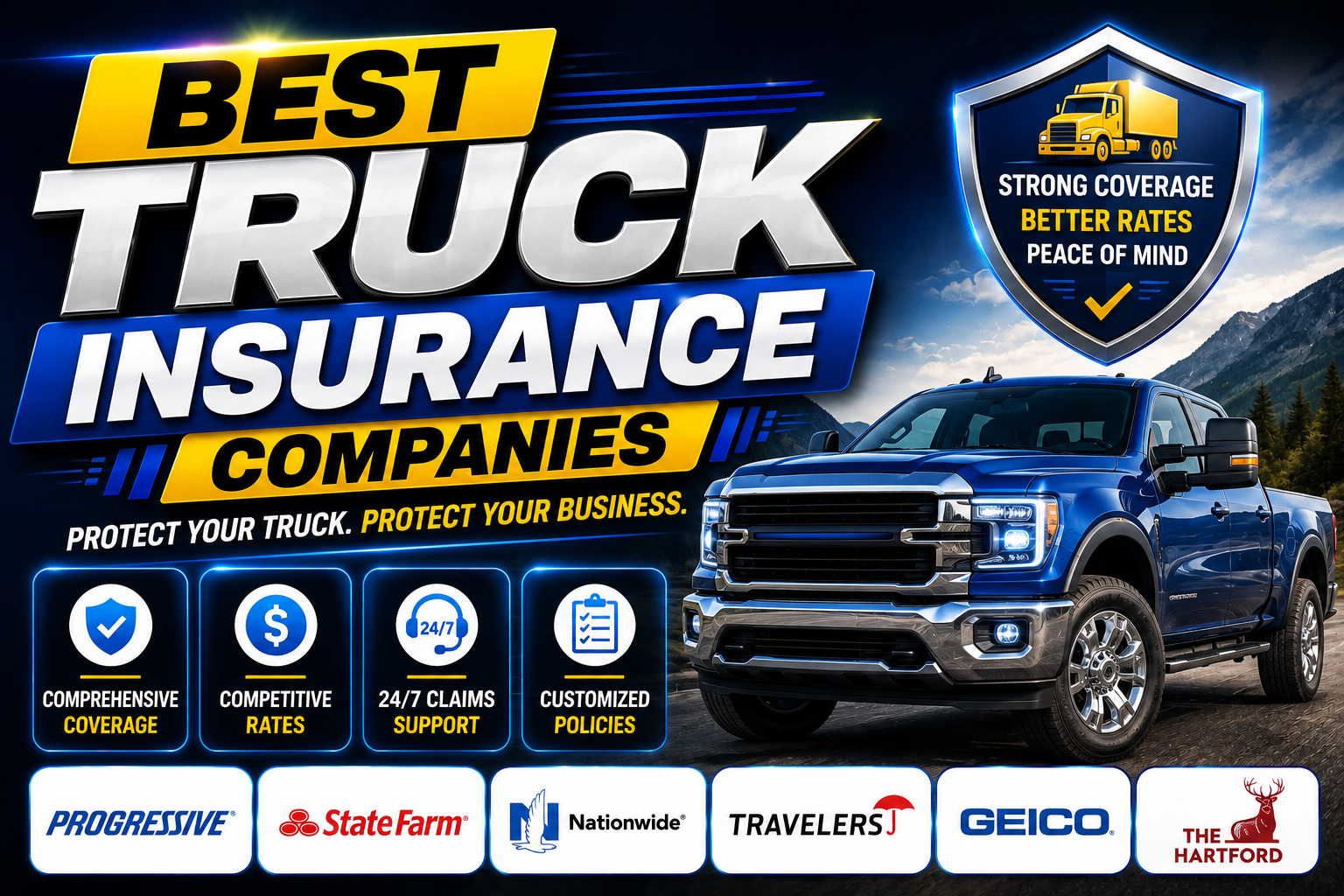
Truck insurance plays a critical role in protecting drivers, businesses, and vehicles from the financial impact of accidents, theft, property damage, and liability claims. Whether you own a personal pickup truck, operate a commercial vehicle, or manage a fleet of trucks, having the right insurance coverage can help safeguard your investment and keep operations running smoothly. Many truck owners focus on finding the lowest premium, but a policy’s true value comes from the protection it provides when unexpected situations occur. Understanding the different types of truck insurance, coverage options, and factors that influence costs can help you make informed decisions and avoid expensive mistakes.
What Is Truck Insurance?
Truck insurance is a type of vehicle insurance designed specifically for trucks used for personal, business, or commercial purposes. It helps cover financial losses resulting from accidents, theft, vandalism, weather-related damage, and liability claims.
The coverage needed often depends on how the truck is used. A personal pickup truck generally requires different protection than a commercial truck used for transporting goods, equipment, or materials. Choosing the right policy ensures that both the vehicle and the driver are adequately protected.
Why Truck Insurance Is Important
Trucks often represent a significant financial investment. In addition to vehicle repair or replacement costs, accidents can lead to medical expenses, property damage claims, legal costs, and business interruptions.
Truck insurance helps protect against:
- Vehicle repair expenses
- Liability claims from accidents
- Medical costs related to injuries
- Theft and vandalism losses
- Weather-related damage
- Legal defense expenses for covered claims
Without adequate coverage, truck owners may face substantial out-of-pocket expenses that could create serious financial challenges.
Types of Truck Insurance Coverage
Understanding available coverage options helps truck owners build a policy that matches their specific needs.
Liability Coverage
Liability insurance is the foundation of most truck insurance policies. It helps cover injuries and property damage you cause to others if you are found responsible for an accident.
Liability coverage may help pay for:
- Bodily injury claims
- Property damage claims
- Legal defense costs
- Settlement expenses for covered incidents
Many jurisdictions require liability coverage before a truck can legally operate on public roads.
Collision Coverage
Collision insurance helps pay for repairs to your truck after an accident involving another vehicle or object. This coverage applies regardless of fault and can be especially valuable for newer or higher-value trucks.
Comprehensive Coverage
Comprehensive insurance protects against non-collision events that can damage or destroy a truck.
Common covered incidents include:
- Theft
- Vandalism
- Fire
- Flooding
- Storm damage
- Falling objects
- Animal collisions
Uninsured and Underinsured Motorist Coverage
This protection helps cover expenses if you are involved in an accident with a driver who lacks adequate insurance coverage.
Commercial Truck Insurance vs. Personal Truck Insurance
Not all truck insurance policies are the same. The type of coverage required depends largely on how the truck is used.
Personal Truck Insurance
Personal truck insurance is designed for trucks used primarily for personal transportation. Coverage requirements are similar to those for standard passenger vehicles.
Commercial Truck Insurance
Commercial truck insurance is intended for vehicles used in business operations. These policies often include higher liability limits and additional protections tailored to commercial activities.
Commercial policies may include:
- Cargo coverage
- General liability protection
- Trailer coverage
- Downtime protection
- Physical damage coverage
Business owners should ensure their policy accurately reflects how the truck is used to avoid coverage gaps.
Factors That Affect Truck Insurance Rates
Insurance companies evaluate several risk factors when determining premium costs.
Key factors include:
- Truck make and model
- Vehicle age and value
- Driver experience
- Driving history
- Location
- Annual mileage
- Coverage limits selected
- Deductible amount
- Business usage requirements
Drivers with clean records and well-maintained vehicles often qualify for more competitive rates.
How to Lower Truck Insurance Costs
While truck insurance is a necessary expense, there are several ways to manage costs without sacrificing important protection.
Compare Multiple Insurance Quotes
Different insurance providers use different rating systems. Comparing quotes from several companies can help identify the best value.
Increase Your Deductible
Choosing a higher deductible typically lowers premium costs. However, truck owners should ensure they can comfortably afford the deductible if a claim occurs.
Maintain a Clean Driving Record
Safe driving habits remain one of the most effective ways to qualify for lower premiums over time.
Ask About Available Discounts
Many insurers offer discounts that may reduce insurance costs.
Common discounts include:
- Safe driver discounts
- Multi-vehicle discounts
- Fleet discounts
- Bundled policy discounts
- Vehicle safety feature discounts
- Paperless billing discounts
Common Mistakes Truck Owners Make
Truck owners sometimes choose insurance based solely on price, which can lead to inadequate protection when a claim occurs.
Other common mistakes include:
- Selecting insufficient liability limits
- Failing to review policy exclusions
- Not updating coverage after vehicle modifications
- Ignoring commercial-use requirements
- Skipping optional protections that may be beneficial
- Not comparing policies regularly
Carefully reviewing coverage details can help avoid unexpected expenses and coverage disputes.
How to Choose the Right Truck Insurance Policy
The best truck insurance policy depends on the vehicle’s value, how it is used, and your financial goals. Start by evaluating your risks, determining appropriate coverage levels, and comparing multiple insurers. Look beyond premium costs and consider claims service, customer support, policy flexibility, and available endorsements.
A well-balanced policy should provide sufficient protection while remaining affordable enough to fit your budget. The goal is to create financial security without paying for unnecessary coverage.
Truck insurance is more than a legal requirement—it is an essential financial safeguard for vehicle owners and businesses alike. By understanding coverage options, comparing providers, and choosing protection that aligns with your needs, you can reduce risk, protect valuable assets, and drive with greater confidence regardless of where the road leads.