Accidents, mistakes, and unexpected incidents can happen in everyday life and business operations. When they do, the financial consequences can be significant, especially if another person claims that you caused injury, property damage, or financial loss. Liability insurance exists to help protect individuals and businesses from these risks. Whether you own a vehicle, run a company, work as a professional, or simply want added financial protection, understanding liability insurance can help you make informed decisions. Knowing what it covers, what it excludes, and when it may be needed can prevent costly surprises and provide greater confidence when facing potential legal or financial claims.
What Is Liability Insurance?
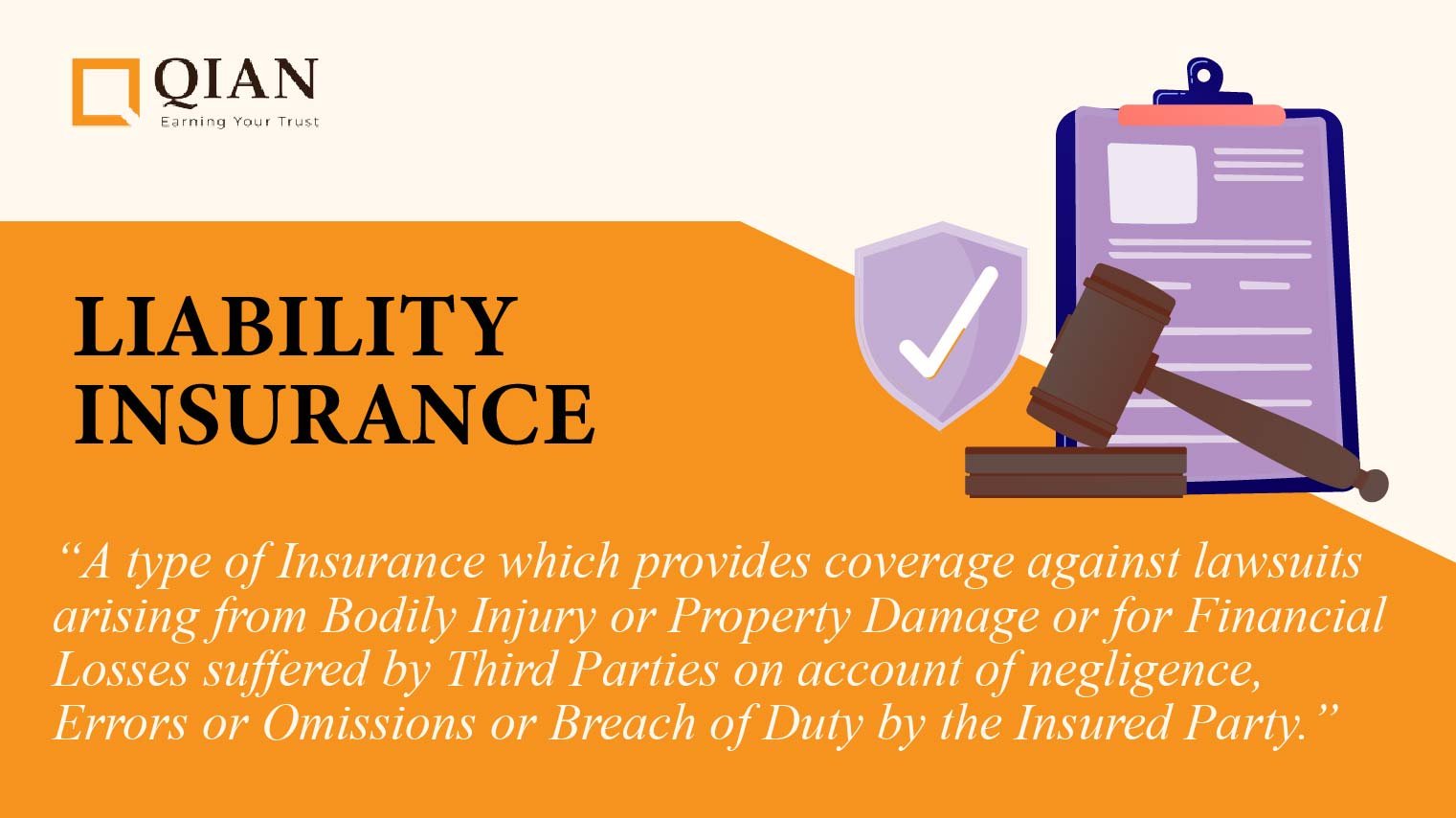
Liability insurance is a type of coverage designed to protect individuals or businesses when they are held legally responsible for causing injury, property damage, or certain financial losses to another party.
Rather than paying these expenses entirely out of pocket, liability insurance may help cover:
- Legal defense costs
- Settlement payments
- Court-awarded damages
- Medical expenses for injured parties
- Property repair or replacement costs
The exact protection depends on the policy type, coverage limits, and policy terms.
Why Liability Insurance Is Important
Many people underestimate how expensive liability claims can become. Even a relatively minor accident can result in legal fees, medical bills, and compensation claims that exceed personal savings or business resources.
Liability insurance provides financial protection by helping cover claims and reducing the risk of severe financial hardship. In some cases, liability coverage may also be required by law, contracts, or licensing authorities.
Without adequate protection, a single lawsuit or claim could create long-term financial challenges.
Common Types of Liability Insurance
Liability insurance is available in several forms, each designed to address specific risks.
General Liability Insurance
General liability insurance is one of the most common forms of business coverage. It helps protect against claims involving bodily injury, property damage, and certain advertising-related issues.
For example, if a customer slips and falls at a business location, general liability insurance may help cover medical expenses and legal costs.
Auto Liability Insurance
Auto liability coverage is typically included in car insurance policies. It helps pay for injuries and property damage that a driver causes to others in an accident.
This coverage often includes:
- Bodily injury liability
- Property damage liability
In many locations, minimum liability coverage is legally required for drivers.
Professional Liability Insurance
Professional liability insurance, often called errors and omissions insurance, protects professionals who provide services, advice, or expertise.
It may help cover claims involving:
- Professional mistakes
- Negligence allegations
- Missed deadlines
- Service-related disputes
Consultants, accountants, architects, and technology professionals commonly carry this type of coverage.
Product Liability Insurance
Businesses that manufacture, distribute, or sell products may face liability claims if a product causes injury or damage.
Product liability insurance helps address risks associated with:
- Defective products
- Manufacturing issues
- Design flaws
- Product-related injuries
This coverage can be especially important for companies operating in the manufacturing and retail industries.
What Does Liability Insurance Typically Cover?
While coverage varies by policy, liability insurance commonly helps pay for:
- Third-party bodily injury claims
- Third-party property damage claims
- Legal defense expenses
- Court costs
- Settlements and judgments within policy limits
- Certain reputational injury claims, depending on the policy
Coverage generally applies only to incidents covered under the policy terms and conditions.
What Liability Insurance Usually Does Not Cover
Liability insurance is not designed to cover every type of loss.
Common exclusions may include:
- Intentional acts
- Criminal activities
- Contractual disputes beyond policy provisions
- Damage to your own property
- Employee injuries covered under workers’ compensation policies
- Professional errors under policies that exclude professional services
Reviewing exclusions carefully is an important part of selecting any insurance policy.
Who Needs Liability Insurance?
Liability insurance can benefit a wide range of individuals and organizations.
Business Owners
Most businesses interact with customers, vendors, employees, or the public. These interactions create potential liability risks that can lead to costly claims.
Vehicle Owners
Drivers face potential liability every time they operate a vehicle. Auto liability insurance helps satisfy legal requirements and provides financial protection after accidents.
Independent Contractors and Freelancers
Professionals who provide advice or services may face claims related to errors, omissions, or misunderstandings.
Property Owners
Individuals who own homes, rental properties, or commercial buildings may benefit from liability protection if someone is injured on their property.
How Much Liability Coverage Should You Have?
The amount of liability coverage needed depends on individual circumstances and risk exposure.
Factors to consider include:
- Personal or business assets
- Industry-specific risks
- Legal requirements
- Contractual obligations
- Customer interaction levels
- Property ownership
- Vehicle usage
Choosing coverage solely based on minimum requirements may leave significant financial exposure if a large claim occurs.
Tips for Choosing Liability Insurance
When comparing policies, focus on value and protection rather than price alone.
Consider the following:
- Evaluate potential liability risks.
- Compare coverage limits carefully.
- Review exclusions and policy conditions.
- Understand deductibles and out-of-pocket costs.
- Check the insurer’s reputation and claims support.
- Review coverage annually as needs change.
A well-structured policy can provide stronger protection while reducing financial uncertainty.
Common Mistakes to Avoid
Many policyholders unintentionally expose themselves to risk by making avoidable mistakes.
- Purchasing only minimum coverage limits
- Ignoring policy exclusions
- Failing to update coverage after major changes
- Assuming all liability policies provide identical protection
- Choosing coverage based solely on price
- Not reviewing business-specific risks
Regular reviews help ensure that coverage remains appropriate as circumstances evolve.
Liability insurance serves as a financial safety net when accidents, mistakes, or unexpected claims occur. Whether protecting a vehicle, business, professional practice, or personal assets, the right policy can help manage legal and financial risks that might otherwise create serious hardship. By understanding available coverage options and selecting protection that matches your exposure to risk, you can make more informed decisions and strengthen your long-term financial security.