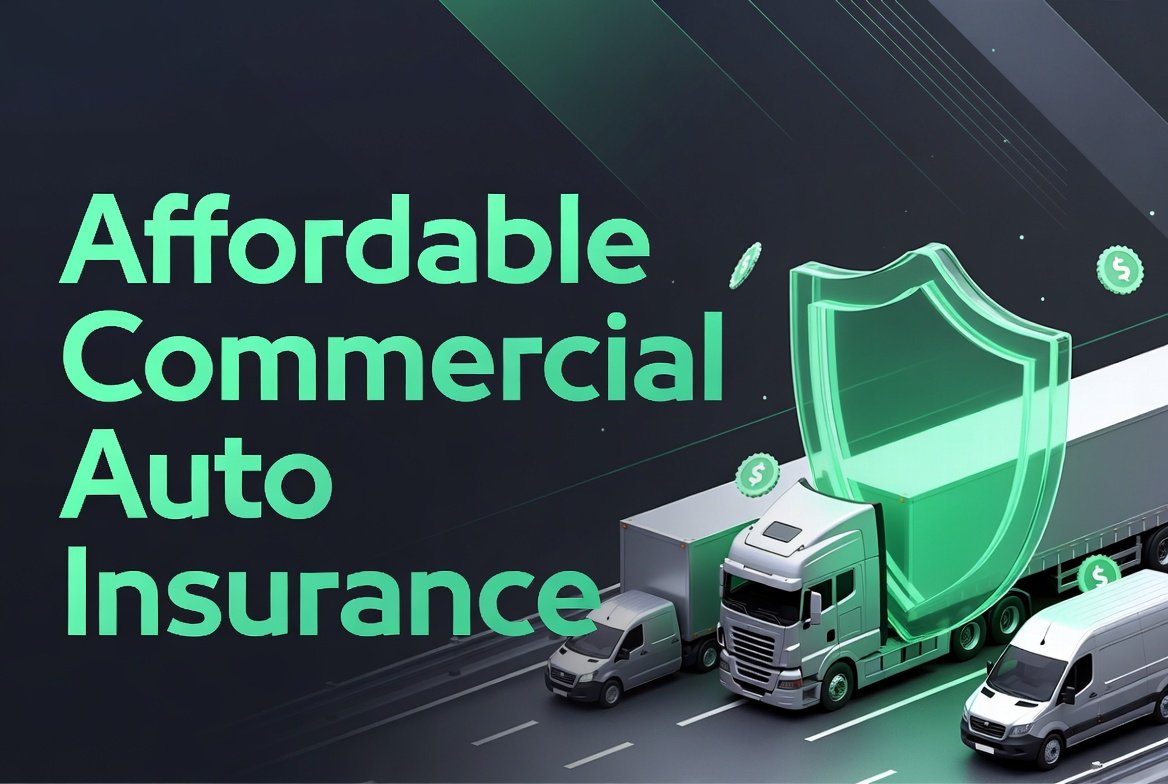
Businesses that rely on vehicles face risks every time an employee gets behind the wheel. Whether you operate a single company car, a fleet of delivery vans, service trucks, or specialized commercial vehicles, having the right insurance coverage is critical for protecting your business from financial losses. Commercial auto insurance is designed specifically for vehicles used for business purposes and provides broader protection than a standard personal auto policy. Understanding how this coverage works, what it includes, and how to choose the right policy can help business owners reduce risk while keeping operations running smoothly.
What Is Commercial Auto Insurance?
Commercial auto insurance is a type of business insurance that provides financial protection for vehicles used in business activities. It covers company-owned vehicles and, depending on the policy, may also provide protection for employees driving on behalf of the business.
Unlike personal auto insurance, commercial policies are designed to address the higher risks associated with business operations. These policies often include higher liability limits and specialized coverages that businesses need to protect their assets and meet contractual or regulatory requirements.
Why Businesses Need Commercial Auto Insurance
Many business owners mistakenly assume that personal auto insurance will cover work-related driving. In many situations, personal policies may exclude business use or provide limited protection for commercial activities.
Commercial auto insurance helps protect businesses from expenses related to:
- Vehicle accidents
- Property damage claims
- Bodily injury liability
- Legal defense costs
- Vehicle theft and vandalism
- Weather-related damage
- Employee driving incidents
Without proper coverage, a single accident could create significant financial strain for a business.
Who Needs Commercial Auto Insurance?
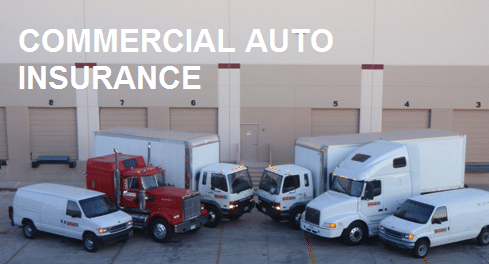
Any business that owns, leases, or regularly uses vehicles for work purposes should consider commercial auto coverage.
Common examples include:
- Delivery companies
- Construction contractors
- Electricians and plumbers
- Landscaping businesses
- Real estate professionals
- Sales representatives
- Courier services
- Food delivery operations
Even small businesses with one vehicle can benefit from having dedicated commercial protection.
Types of Coverage Included in Commercial Auto Insurance
Commercial auto policies can be customized to meet different business needs. Understanding the available options helps business owners build appropriate protection.
Liability Coverage
Liability insurance is typically the most important component of a commercial auto policy. It helps pay for injuries and property damage caused to others if a business vehicle is involved in an accident and the driver is found responsible.
Coverage may include:
- Bodily injury liability
- Property damage liability
- Legal defense expenses
- Settlement costs for covered claims
Many businesses choose higher liability limits due to the potentially severe costs associated with commercial vehicle accidents.
Collision Coverage
Collision insurance helps pay for repairs to company vehicles after accidents involving another vehicle or object. This coverage applies regardless of fault and can help businesses recover more quickly from vehicle damage.
Comprehensive Coverage
Comprehensive insurance covers damage caused by incidents other than collisions.
Examples include:
- Theft
- Fire
- Vandalism
- Flooding
- Storm damage
- Falling objects
- Animal-related incidents
This coverage is particularly valuable for businesses that rely heavily on their vehicles for daily operations.
Uninsured and Underinsured Motorist Coverage
This protection helps cover losses if a business vehicle is involved in an accident with a driver who lacks adequate insurance coverage.
Additional Coverage Options for Businesses
Many insurers offer endorsements and specialized protections designed for commercial operations.
Popular optional coverages include:
- Hired and non-owned auto coverage
- Rental reimbursement
- Roadside assistance
- Medical payments coverage
- Cargo protection
- Equipment coverage
- Downtime expense coverage
Businesses should evaluate their operations carefully to determine which additional protections are necessary.
Factors That Affect Commercial Auto Insurance Costs
Commercial auto insurance premiums vary based on several risk factors. Insurers assess these elements to determine pricing and coverage eligibility.
Key factors include:
- Number of vehicles insured
- Vehicle type and value
- Business industry
- Employee driving records
- Business location
- Annual mileage
- Claims history
- Coverage limits selected
- Deductible amounts
Businesses with strong safety programs and experienced drivers often qualify for more favorable rates.
How to Reduce Commercial Auto Insurance Expenses
While commercial vehicle coverage is an essential business expense, there are practical ways to manage costs without reducing protection.
Implement Driver Safety Programs
Training employees on safe driving practices can reduce accidents and improve insurance outcomes over time.
Review Vehicle Usage Regularly
Businesses should ensure that all insured vehicles are still actively used and appropriately classified under the policy.
Compare Insurance Providers
Obtaining quotes from multiple insurers allows businesses to compare coverage options, service quality, and pricing.
Increase Deductibles Carefully
Choosing a higher deductible can lower premiums, provided the business can comfortably handle the out-of-pocket expense if a claim occurs.
Common Mistakes Businesses Should Avoid
Many business owners underestimate their insurance needs or fail to update coverage as their operations grow. This can leave significant gaps in protection.
Common mistakes include:
- Using personal auto insurance for business activities
- Choosing minimum liability limits only
- Failing to add new vehicles promptly
- Ignoring employee driving records
- Not reviewing coverage annually
- Overlooking optional protections
Regular policy reviews help ensure coverage remains aligned with business operations and changing risks.
How to Choose the Right Commercial Auto Policy
Selecting the right commercial auto insurance policy starts with understanding your business activities and vehicle exposure. Consider how vehicles are used, who drives them, the value of the vehicles, and the potential financial impact of an accident. Focus on obtaining adequate liability protection while balancing coverage costs and operational needs.
A strong commercial auto policy should support business continuity, protect company assets, and provide confidence that unexpected incidents will not create unnecessary financial hardship.
Commercial auto insurance serves as a vital safety net for businesses that depend on vehicles every day. By choosing appropriate coverage, maintaining safe driving practices, and reviewing policies regularly, business owners can protect their operations, employees, and financial future while keeping their vehicles on the road with confidence.