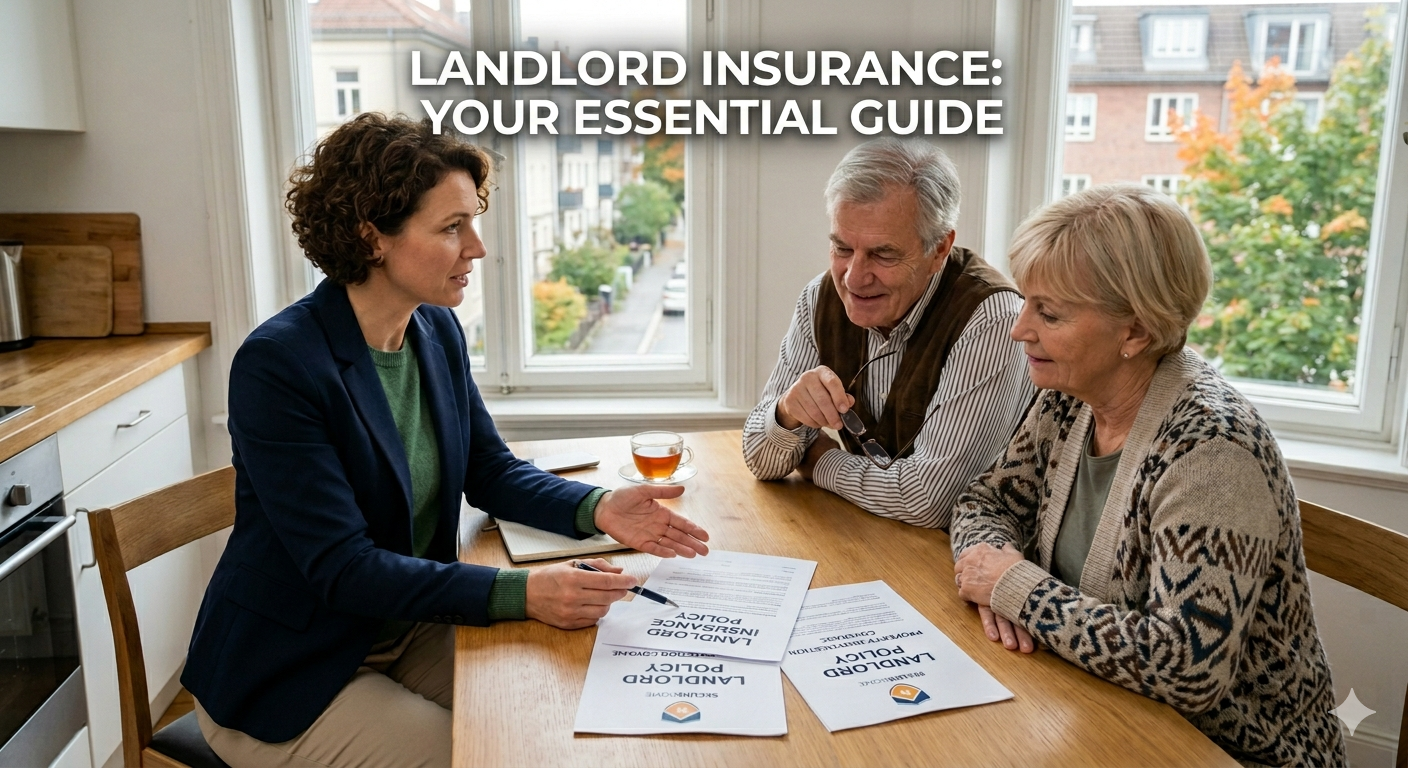
Landlord insurance is a specialized insurance policy designed to help protect property owners who rent out residential or commercial properties. Unlike standard homeowners insurance, landlord insurance focuses on risks associated with rental properties, including property damage, liability claims, and certain loss-of-rental-income situations.
Owning rental property can provide long-term financial opportunities, but it also involves risks. Property damage, tenant-related incidents, natural disasters, and liability claims can create significant financial challenges. Understanding landlord insurance can help property owners make informed decisions about protecting their investments.
This guide explains how landlord insurance works, what it typically covers, common exclusions, benefits, risks, and important factors to consider before purchasing coverage.
What Is Landlord Insurance?
Landlord insurance is a policy specifically designed for individuals or businesses that own rental properties. It protects against various risks that may arise when leasing a property to tenants.
Coverage options vary by insurer and policy type, but landlord insurance generally offers broader protection for rental-related risks than a standard homeowners policy.
How Landlord Insurance Works
A landlord purchases a policy and pays premiums in exchange for coverage. If a covered event causes damage to the property or results in a covered liability claim, the landlord may file a claim with the insurance provider.
The insurer reviews the claim, assesses the loss, and determines eligibility for compensation based on policy terms, coverage limits, deductibles, and exclusions.
The amount paid depends on the nature of the loss and the specific coverage included in the policy.
Who Needs Landlord Insurance?
- Owners of single-family rental homes
- Owners of multi-family rental properties
- Condominium landlords
- Apartment building owners
- Commercial property landlords
- Real estate investors
- Property management businesses
Anyone renting property to tenants should evaluate whether landlord insurance aligns with their risk management needs.
What Landlord Insurance Typically Covers
Property Damage Coverage
This coverage may help pay for repairs or rebuilding costs if the rental property is damaged by a covered event.
- Fire damage
- Windstorms
- Lightning strikes
- Vandalism
- Certain water-related incidents
- Other covered perils
Liability Protection
Liability coverage may help protect landlords if a tenant or visitor experiences injury or property damage for which the landlord is legally responsible.
Loss of Rental Income
Some policies may provide compensation for lost rental income if a covered event makes the property temporarily uninhabitable.
Other Structures Coverage
Detached garages, storage units, fences, and similar structures may be covered depending on the policy.
What Landlord Insurance Usually Does Not Cover
Policies often contain exclusions and limitations. Common examples may include:
- Tenant’s personal belongings
- Normal wear and tear
- Intentional property damage by the landlord
- Certain flood-related losses
- Certain earthquake-related losses
- Maintenance neglect
- Pest infestations
Property owners should review policy documents carefully to understand coverage limitations.
Types of Landlord Insurance Coverage
Dwelling Coverage
Dwelling coverage focuses on protecting the physical structure of the rental property.
Liability Coverage
This coverage may help with legal expenses and covered claims arising from accidents on the property.
Loss of Rent Coverage
Coverage may help replace rental income when a covered event prevents tenants from occupying the property.
Optional Endorsements
Some insurers offer additional protection through endorsements that can expand coverage for specific risks.

Benefits of Landlord Insurance
Protection for Rental Property Investments
Rental properties often represent significant financial investments. Insurance can help protect against covered losses.
Liability Risk Management
Liability protection may help landlords address certain legal and financial exposures.
Income Protection
Loss-of-rent coverage may help reduce financial disruption following a covered event.
Improved Financial Stability
Insurance can provide an additional layer of protection when unexpected incidents occur.
Support During Recovery
Coverage may assist property owners in repairing or rebuilding damaged rental properties.
Factors That Affect Landlord Insurance Costs
| Factor | Potential Impact |
|---|---|
| Property Location | Regional risks can influence premiums |
| Property Value | Higher values may require greater coverage |
| Property Age | Older buildings may affect risk assessments |
| Coverage Limits | Higher limits may increase costs |
| Deductibles | Higher deductibles may reduce premiums |
| Claims History | Past claims may influence pricing |
Landlord Insurance vs Homeowners Insurance
| Feature | Landlord Insurance | Homeowners Insurance |
|---|---|---|
| Designed for Rental Property | Yes | No |
| Loss of Rental Income Coverage | Often Available | Typically Not Included |
| Owner-Occupied Homes | No | Yes |
| Tenant-Related Risks | Generally Covered | Limited |
Risks and Limitations
Although landlord insurance provides valuable protection, coverage is subject to deductibles, exclusions, policy limits, and claim requirements.
Not all losses will be covered, and landlords should avoid assuming that every property-related expense qualifies for reimbursement.
Common Mistakes Landlords Make
- Relying on homeowners insurance for rental properties
- Choosing insufficient coverage limits
- Ignoring liability protection needs
- Failing to review policy exclusions
- Not updating coverage after renovations
- Underestimating rebuilding costs
- Skipping annual policy reviews
Regular reviews can help ensure coverage remains aligned with current property values and risks.
How to Choose Appropriate Coverage
Evaluate Property Value
Consider rebuilding costs and the overall value of the rental property.
Assess Liability Risks
Review potential liability exposures associated with tenants and visitors.
Review Coverage Limits
Ensure policy limits align with the property’s value and financial objectives.
Compare Policy Features
Compare deductibles, exclusions, endorsements, and claim procedures before selecting coverage.
Things to Consider Before Purchasing Coverage
- Property location
- Rental income dependency
- Property condition
- Coverage limits
- Deductible amounts
- Liability exposure
- Policy exclusions
- Long-term investment goals
This information is for educational purposes only and should not be considered financial advice.
Frequently Asked Questions
What is landlord insurance?
Landlord insurance is a policy designed to help protect rental property owners against covered property damage, liability claims, and certain rental income losses.
Who needs landlord insurance?
Property owners who rent residential or commercial properties may benefit from landlord insurance.
Does landlord insurance cover tenant belongings?
Generally, tenant belongings are not covered under a landlord policy. Tenants may need their own renters insurance.
What does landlord insurance cover?
Coverage may include property damage, liability protection, loss of rental income, and certain additional structures depending on the policy.
Is landlord insurance required by law?
Requirements vary by jurisdiction, lender agreements, and property circumstances.
Can landlords get coverage for lost rent?
Some policies include loss-of-rental-income protection when a covered event makes the property temporarily uninhabitable.
How are premiums determined?
Premiums are influenced by factors such as property value, location, coverage limits, deductibles, and claims history.
What is liability coverage?
Liability coverage may help protect landlords from certain legal and financial claims involving injuries or property damage.
How often should coverage be reviewed?
Many landlords review insurance coverage annually or after major property changes.
Can landlord insurance cover multiple properties?
Coverage options vary by insurer, and some providers offer solutions for owners with multiple rental properties.