
Flood insurance is a specialized type of property coverage designed to help protect homeowners, renters, and businesses from financial losses caused by flooding. Standard homeowners’ insurance policies often do not cover flood-related damage, making separate flood coverage an important consideration for many property owners.
Flooding can result from heavy rainfall, storm surges, overflowing rivers, rapid snowmelt, drainage system failures, and other water-related events. Understanding how flood insurance works can help individuals evaluate potential risks and make informed decisions about protecting their property.
This guide explains flood insurance, coverage options, benefits, limitations, common exclusions, and important factors to consider before purchasing a policy.
What Is Flood Insurance?
Flood insurance is a policy specifically designed to provide financial protection against covered losses resulting from flooding. Unlike many standard property insurance policies, flood insurance focuses on water damage caused by flood events as defined in the policy.
Coverage may be available for residential properties, rental properties, commercial buildings, and personal belongings, depending on the policy selected.
How Flood Insurance Works
Property owners purchase a policy and pay premiums to maintain coverage. If a covered flood event damages insured property, the policyholder may file a claim with the insurance provider.
The insurer reviews the claim, assesses the damage, and determines whether the loss meets the policy’s definition of a covered flood event. Approved claims are generally paid according to coverage limits, deductibles, and policy conditions.
The amount paid depends on the policy terms and the extent of the covered damage.
What Causes Flooding?
- Heavy rainfall
- Overflowing rivers and streams
- Storm surges
- Coastal flooding
- Rapid snowmelt
- Blocked drainage systems
- Flash floods
- Severe weather events
Flood risk can exist in both high-risk and lower-risk areas.
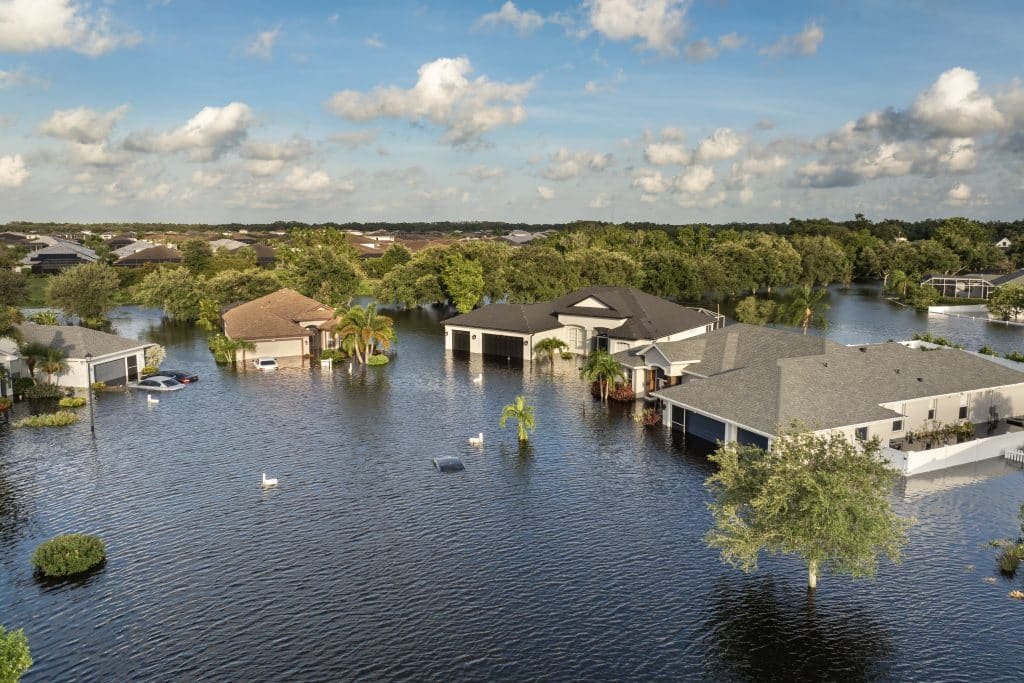
What Flood Insurance Typically Covers
Building Coverage
Building coverage may help protect the physical structure of a property, including:
- Foundation elements
- Electrical systems
- Plumbing systems
- Water heaters
- Furnaces
- Built-in appliances
- Permanent flooring
- Structural components
Contents Coverage
Some policies protect personal belongings, such as:
- Furniture
- Electronics
- Clothing
- Portable appliances
- Personal possessions
- Certain valuables within policy limits
Coverage details vary depending on the policy selected.
What Flood Insurance May Not Cover
Policies often contain exclusions and limitations. Common examples may include:
- Temporary housing expenses
- Vehicles
- Outdoor landscaping
- Currency and precious metals
- Business interruption losses in some policies
- Damage that could have been prevented through maintenance
Policyholders should carefully review all exclusions before purchasing coverage.
Who Should Consider Flood Insurance?
- Homeowners
- Condominium owners
- Renters
- Landlords
- Commercial property owners
- Businesses located near water sources
- Property owners in flood-prone areas
Even properties outside designated high-risk zones can experience flooding under certain circumstances.
Benefits of Flood Insurance
Protection Against Flood Damage
Flood-related repairs can be expensive. Coverage may help reduce the financial burden associated with covered losses.
Support for Property Recovery
Insurance can assist with repairing or replacing covered property damaged by flood events.
Financial Risk Management
Coverage may help property owners prepare for potential losses caused by flooding.
Coverage Beyond Standard Home Policies
Because standard homeowners’ policies often exclude flood damage, separate flood protection may help fill an important coverage gap.
Factors That Affect Flood Insurance Costs
| Factor | Potential Impact |
|---|---|
| Property Location | Flood risk levels influence premiums |
| Flood Zone Classification | Higher-risk zones may have higher costs |
| Property Elevation | Elevation can affect risk assessments |
| Coverage Limits | Higher limits may increase premiums |
| Deductibles | Higher deductibles may reduce premiums |
| Building Characteristics | Construction features can impact pricing |
Risks and Limitations
While flood insurance can provide valuable protection, coverage is subject to policy limits, exclusions, deductibles, and waiting periods. Property owners should understand that not all flood-related losses may be covered.
Coverage terms vary by insurer and policy type, making it important to review policy details carefully.
Insurance for Homeowners
Homeowners often purchase flood coverage to protect both their homes’ structures and personal belongings from covered flood events. Mortgage lenders may require flood insurance in certain circumstances, depending on property location and lending requirements.
Flood Insurance for Renters
Renters generally do not need building coverage because they do not own the structure. However, contents coverage may help protect personal belongings from covered flood-related losses.
Flood Insurance for Businesses
Commercial property owners may use flood coverage to help protect buildings, equipment, inventory, and other business assets from covered flooding events.
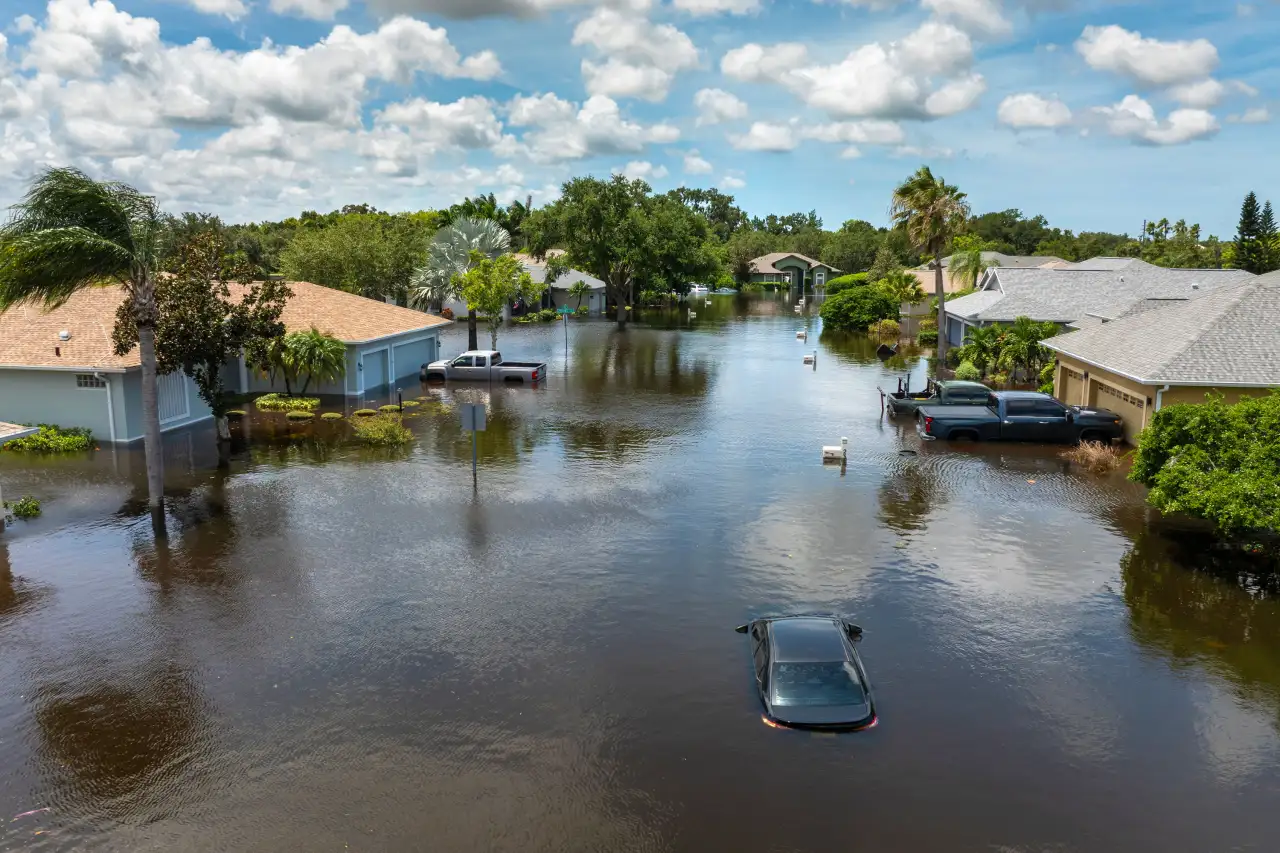
Common Mistakes Property Owners Make
- Assuming homeowners’ insurance covers floods
- Waiting until severe weather is forecasted
- Underestimating flood risks
- Choosing insufficient coverage limits
- Ignoring policy exclusions
- Failing to review coverage regularly
- Not documenting valuable property
A proactive approach can help reduce potential coverage gaps.
Things to Consider Before Purchasing Coverage
- Property flood risk
- Coverage limits
- Deductible amounts
- Building and contents coverage needs
- Policy exclusions
- Waiting periods
- Local environmental conditions
- Long-term risk management goals
This information is for educational purposes only and should not be considered financial advice.
Frequently Asked Questions
What is flood insurance?
Flood insurance is a policy that helps cover certain losses caused by covered flood events.
Does homeowners’ insurance cover flood damage?
Standard homeowners’ insurance policies often exclude flood damage, so separate flood coverage may be necessary.
Who needs flood insurance?
Homeowners, renters, landlords, and businesses may benefit from evaluating flood-related risks and coverage options.
What does flood insurance cover?
Coverage may include building components, personal belongings, and other insured property, depending on the policy.
Are all floods covered?
Coverage depends on policy definitions, exclusions, and conditions outlined in the insurance contract.
Can renters purchase flood insurance?
Yes. Renters may obtain contents coverage to help protect personal belongings from covered flood-related losses.
What affects flood insurance costs?
Factors include property location, flood zone classification, elevation, coverage limits, deductibles, and building characteristics.
Can businesses obtain flood coverage?
Many commercial property owners purchase flood protection to help safeguard buildings and business assets.
Is flood insurance mandatory?
Requirements vary depending on location, lender requirements, and specific property circumstances.
How often should coverage be reviewed?
Property owners often review coverage periodically, especially after renovations, property value changes, or updated flood risk assessments.