Every business faces risks, whether it operates from a physical location, works remotely, provides professional services, or sells products. A customer could slip and fall on your premises, property damage could occur during a project, or a lawsuit could arise from an advertising claim. These situations can result in significant legal expenses and financial losses. General liability insurance is designed to help protect businesses from many common third-party claims, making it one of the most important forms of business insurance. Understanding what it covers, what it excludes, and how to choose the right policy can help business owners make informed decisions and protect their long-term financial stability.
What Is General Liability Insurance?
General liability insurance is a business insurance policy that helps cover costs associated with third-party bodily injury, property damage, and certain legal claims. It is often considered a foundational insurance policy because many businesses face these risks regardless of their size or industry.
If a customer is injured on your business premises or if your company accidentally damages someone else’s property while performing work, general liability coverage may help pay for legal defense costs, settlements, and covered damages. Many clients, landlords, and contract partners also require businesses to carry this type of insurance before signing agreements.
What Does General Liability Insurance Cover?
Coverage varies by insurer and policy, but most general liability insurance policies typically include protection for several common business risks.
Bodily Injury Claims
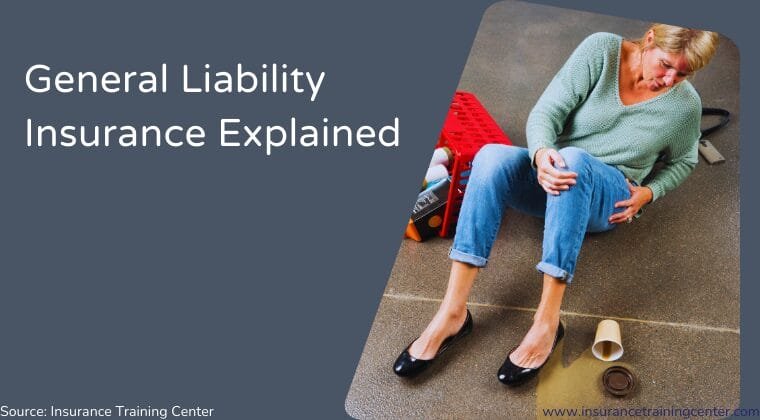
If a customer, visitor, vendor, or other third party suffers an injury related to your business operations, the policy may help cover medical expenses, legal fees, and settlement costs. For example, if a customer slips on a wet floor inside your store and is injured, general liability insurance may provide financial protection.
Property Damage Claims
Businesses can accidentally damage someone else’s property while performing work or providing services. If a contractor damages a client’s wall during a renovation project, the policy may help cover repair or replacement costs.
Personal and Advertising Injury
General liability insurance may also cover claims involving libel, slander, copyright infringement in advertising, or reputational harm caused by certain business marketing activities. These claims can be expensive to defend even when the allegations are unfounded.
Legal Defense Costs
One of the most valuable aspects of general liability insurance is legal defense coverage. Lawsuits can generate substantial attorney fees, court costs, and settlement expenses. A covered claim may include financial support for these legal costs.
What Is Not Covered?
Understanding exclusions is just as important as understanding coverage. General liability insurance does not protect against every business risk.
Common exclusions often include:
- Employee injuries and workplace accidents
- Professional mistakes or negligence
- Intentional wrongdoing
- Commercial vehicle accidents
- Cybersecurity breaches and data loss
- Employment-related claims
- Damage to your own business property
Businesses often purchase additional policies such as workers’ compensation, commercial auto insurance, professional liability insurance, cyber insurance, or commercial property insurance to fill these coverage gaps.
Who Needs General Liability Insurance?
Almost every business can benefit from general liability insurance. While the level of risk varies by industry, third-party claims can affect organizations of all sizes.
Businesses commonly purchasing this coverage include:
- Retail stores
- Contractors and construction companies
- Consultants and freelancers
- Restaurants and cafes
- Cleaning services
- Real estate businesses
- Landscaping companies
- E-commerce businesses
- Technology startups
- Marketing agencies
Even home-based businesses may face liability risks when interacting with clients, vendors, or the public.
How Much Does General Liability Insurance Cost?
Insurance premiums vary depending on several factors. There is no universal price because insurers evaluate each business differently based on risk exposure.
Common factors affecting cost include:
- Industry and business type
- Business size and revenue
- Location
- Claims history
- Coverage limits selected
- Number of employees
- Nature of business operations
A small consulting business may pay significantly less than a construction company because the likelihood and severity of claims are generally different.
General Liability Insurance vs Professional Liability Insurance
Many business owners confuse these two types of coverage, but they protect against different risks.
General Liability Insurance
Protects against:
- Third-party bodily injury
- Property damage
- Advertising injury claims
- Legal defense for covered incidents
Professional Liability Insurance
Protects against:
- Professional mistakes
- Negligence claims
- Errors and omissions
- Financial losses caused by professional services
For example, if a client trips in your office, general liability insurance may apply. If your professional advice causes a client financial harm, professional liability insurance may be the relevant coverage.
How to Choose the Right General Liability Policy
Selecting a policy requires more than simply choosing the lowest premium. The right coverage should align with your business activities and risk profile.
Consider these steps:
- Assess your business risks and daily operations.
- Review policy coverage limits carefully.
- Understand exclusions and coverage gaps.
- Compare quotes from multiple insurers.
- Evaluate insurer reputation and claims service.
- Determine whether additional policies are needed.
- Review coverage annually as your business grows.
Business owners who regularly work with clients, vendors, landlords, or government contracts should also verify any specific insurance requirements imposed by those parties.
Common Mistakes Businesses Make
Many companies purchase coverage without fully understanding their risks. One common mistake is assuming a basic policy covers every possible claim. Another is selecting limits that are too low for the size of the business. Some companies also fail to update their coverage after expanding operations, hiring employees, or introducing new products and services.
Regular policy reviews can help ensure coverage remains aligned with current business needs. Insurance should evolve as the business evolves.
When Should You Buy General Liability Insurance?
The ideal time to purchase coverage is before launching operations or signing contracts with customers. Waiting until after an incident occurs is too late because insurance generally covers unexpected future events rather than known losses.
Many businesses secure general liability insurance immediately after registration to satisfy lease agreements, client requirements, and contractual obligations while establishing a stronger risk management foundation from the beginning.
Protecting a business involves more than generating revenue and attracting customers. Legal claims, accidents, and unexpected incidents can create serious financial challenges for even successful companies. General liability insurance helps provide an important layer of protection against common third-party risks, allowing business owners to focus on growth, operations, and customer service with greater confidence. Choosing the right coverage and reviewing it regularly can play a key role in maintaining long-term business stability and resilience.