
Choosing among the best life insurance companies can be challenging because insurers offer different policy types, coverage options, pricing structures, and customer service experiences. A life insurance policy is often a long-term financial commitment, making it important to understand how insurance providers differ before selecting coverage. On Wisepediahub.com, users can access educational resources that explain insurance concepts and help simplify policy comparisons. Whether you are searching for term coverage, permanent protection, or family financial security, learning what separates leading insurers can help you make a more informed decision.
What Makes a Life Insurance Company Worth Considering?
Life insurance providers are often evaluated based on factors such as financial stability, product selection, policy flexibility, customer support, claims handling processes, and overall reputation.
The best option for one person may not be the best option for another because coverage needs, budgets, and financial goals vary significantly.
How Life Insurance Companies Differ
Insurance companies offer a variety of products designed to meet different needs. Some specialize in affordable term policies, while others focus on permanent life insurance solutions with cash value features.
Coverage Options
Providers may offer term life insurance, whole life insurance, universal life insurance, and other specialized products.
Premium Structures
Pricing methods can differ based on underwriting standards, risk assessments, and policy features.
Policy Flexibility
Some insurers offer more customization through riders, benefit adjustments, and flexible payment options.
Key Factors to Compare
Financial Strength
Financial stability is important because life insurance policies may remain active for many years. Consumers often review an insurer’s long-term ability to meet policy obligations.
Product Selection
A broader product range may provide more flexibility when selecting coverage.
Customer Service
Responsive support can improve the overall policyholder experience.
Claims Process
Understanding how claims are handled can help set realistic expectations.
Digital Tools and Accessibility
Many insurers now provide online applications, account management tools, and policy resources.
To learn more about life insurance options and comparison resources, users can explore the download section available below.
Common Types of Coverage Offered
Term Life Insurance
Protects for a specified period and is often chosen for temporary financial obligations.
Whole Life Insurance
Offers permanent coverage and generally includes a cash value component.
Universal Life Insurance
Combines permanent protection with flexible premium features.
Final Expense Insurance
Designed to help address end-of-life expenses and related costs.
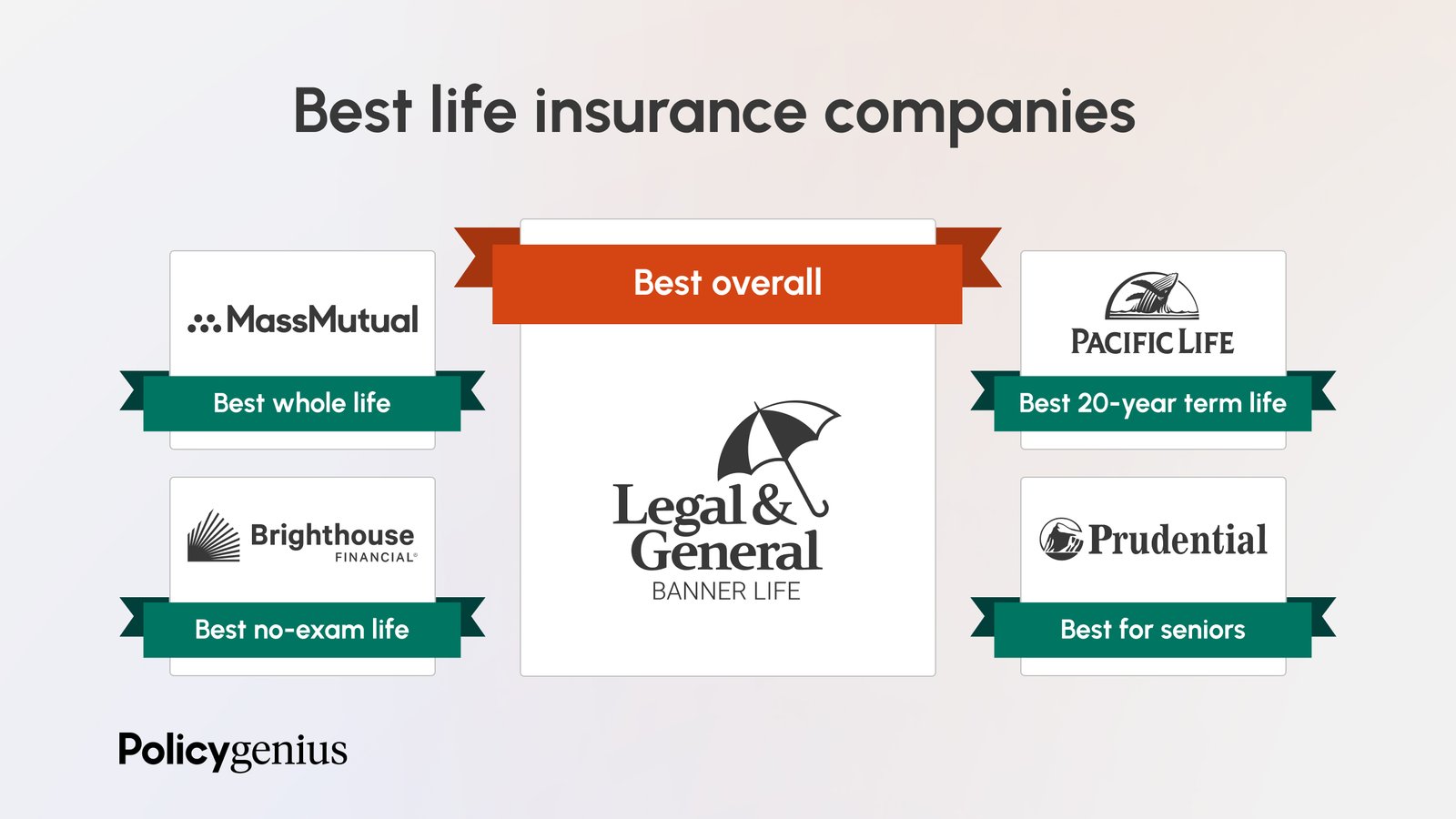
Benefits of Comparing Multiple Companies
- Better understanding of available products
- Improved awareness of coverage options
- Opportunity to compare policy features
- Greater insight into premium structures
- Evaluation of insurer reputation and support
- Ability to identify policies aligned with personal goals
Who Should Compare Life Insurance Providers?
- First-time insurance buyers
- Parents seeking family protection
- Homeowners with financial obligations
- Business owners
- Individuals planning for retirement
- People reviewing existing policies
Common Mistakes to Avoid
- Choosing a policy based only on price
- Ignoring policy exclusions
- Purchasing insufficient coverage
- Not comparing multiple insurers
- Failing to review policy flexibility
- Overlooking long-term financial goals
Consumers often benefit from taking time to compare available options before making coverage decisions.
How to Evaluate Insurance Companies
Review Coverage Needs
Start by determining how much protection may be appropriate for your situation.
Compare Similar Policies
Evaluate policies with comparable coverage levels to make meaningful comparisons.
Understand Policy Terms
Review benefits, exclusions, waiting periods, and conditions carefully.
Consider Future Needs
Financial responsibilities may change over time, making flexibility an important factor.
Risks and Limitations
No insurance provider is ideal for every consumer. Policy suitability depends on personal circumstances, financial goals, and coverage requirements.
- Coverage terms vary by insurer
- Premiums differ among providers
- Eligibility requirements are not identical
- Policy benefits depend on contract terms
- Coverage availability may vary by location
This information is for educational purposes only and should not be considered financial advice.
If you are comparing providers and policy options, simply review the download section below for additional educational resources.
Frequently Asked Questions
How do I choose among life insurance companies?
Many consumers compare financial strength, policy options, pricing structures, customer service, and coverage flexibility.
Should I compare multiple insurers?
Comparing multiple providers can help identify coverage options that align with individual needs.
What types of policies do insurers offer?
Many companies offer term life, whole life, universal life, and other specialized coverage options.
Are lower premiums always better?
Not necessarily. Coverage features, exclusions, and policy flexibility should also be considered.
How often should coverage be reviewed?
Many people review policies after significant life events or financial changes.
Can I switch insurance companies?
Policyholders may explore alternatives, but coverage changes should be evaluated carefully before making decisions.
What affects life insurance pricing?
Age, health, lifestyle, coverage amount, and policy type commonly influence premium costs.
Why is financial stability important?
Life insurance policies may remain active for many years, making insurer reliability an important consideration.