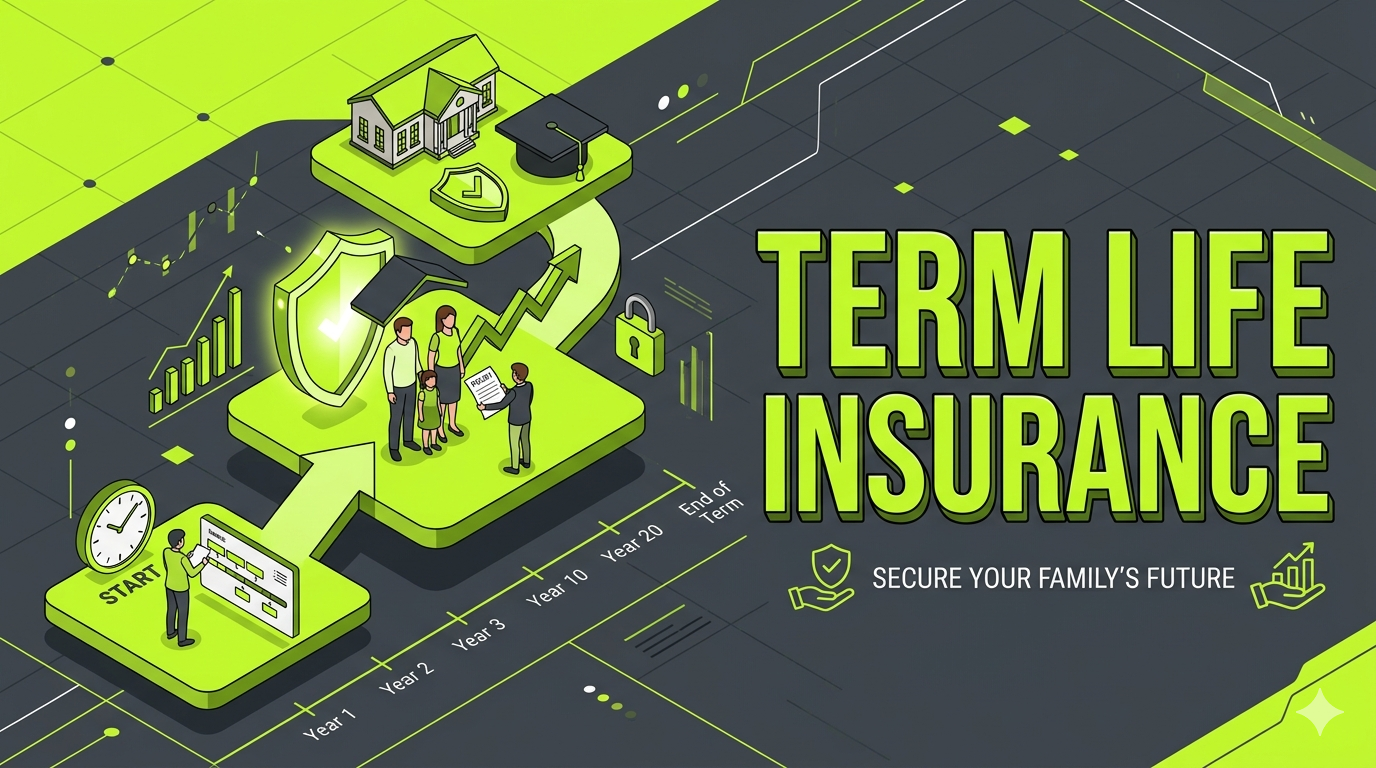
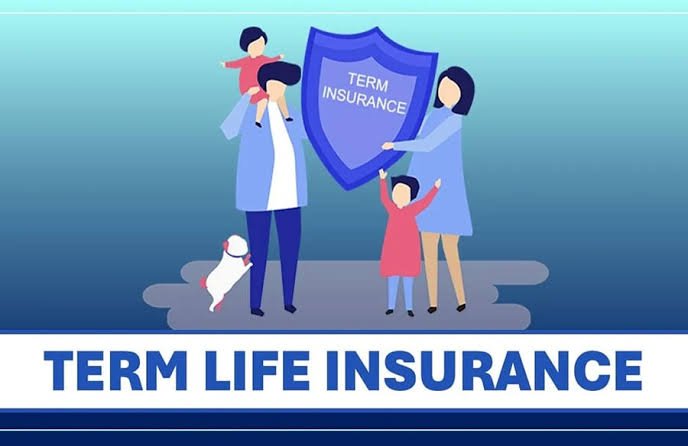
Term life insurance is one of the most widely used forms of life insurance because it offers financial protection for a specific period of time. Many individuals choose this type of coverage to help provide financial support for their loved ones if an unexpected death occurs during the policy term.
Unlike permanent life insurance products, term life insurance focuses on providing a death benefit without including a cash value component. This often makes it a more affordable option for individuals seeking substantial coverage at a lower cost.
What Is Term Life Insurance?
Term life insurance is a life insurance policy that provides coverage for a predetermined period, known as the policy term. Common term lengths may include 10, 15, 20, 25, or 30 years, depending on the insurer and policy options.
If the insured person dies during the coverage period and the policy remains active, the beneficiaries may receive the death benefit according to the policy terms.
If the policy term expires while the insured is still living, coverage generally ends unless renewal or conversion options are available.
How Term Life Insurance Works
A policyholder purchases coverage and pays premiums to maintain the policy. The insurer agrees to provide a death benefit to designated beneficiaries if the insured passes away during the active policy period.
The death benefit can help beneficiaries manage financial obligations such as living expenses, education costs, mortgage payments, debts, or other financial responsibilities.
Coverage amounts, policy durations, and eligibility requirements vary by insurer and policy type.
Key Features of Term Life Insurance
Fixed Coverage Period
The policy remains active for a specific number of years selected at the time of purchase.
Death Benefit Protection
Beneficiaries may receive a lump-sum payment if a covered claim occurs during the policy term.
Generally Lower Premiums
Compared with many permanent life insurance products, term coverage often has lower premium costs.
No Cash Value Component
Most term policies focus exclusively on insurance protection rather than savings accumulation.
Common Types of Term Life Insurance
Level Term Insurance
The coverage amount and premium generally remain consistent throughout the policy term.
Decreasing Term Insurance
The death benefit gradually decreases over time according to policy terms.
Renewable Term Insurance
Some policies allow coverage to be renewed after the original term expires.
Convertible Term Insurance
Certain policies provide an option to convert coverage into a permanent life insurance policy.
Who May Consider Term Life Insurance?
- Parents with dependent children
- Homeowners with mortgage obligations
- Married couples
- Young professionals
- Business owners
- Individuals with financial dependents
- People seeking temporary financial protection
Benefits of Term Life Insurance
Financial Protection for Dependents
The death benefit may help provide financial support for surviving family members.
Affordable Coverage Options
Many individuals find term coverage more affordable than permanent alternatives.
Flexible Coverage Amounts
Policies are often available in a wide range of coverage limits.
Simple Policy Structure
The straightforward nature of term coverage makes it easier for many consumers to understand.
Support for Long-Term Financial Planning
Coverage can help address financial responsibilities during important life stages.
Factors Affecting Premium Costs
| Factor | Potential Impact |
|---|---|
| Age | Younger applicants may qualify for lower premiums |
| Health Status | Medical history may affect eligibility and pricing |
| Coverage Amount | Higher coverage limits may increase premiums |
| Policy Length | Longer terms may affect premium costs |
| Lifestyle Factors | Certain activities may influence risk assessments |
Risks and Limitations of Term Life Insurance
Although term life insurance offers valuable protection, it also has limitations.
- Coverage expires at the end of the term unless renewed
- No cash value accumulation in most policies
- Renewal costs may increase with age
- Coverage availability may change based on future eligibility requirements
- Policy exclusions and conditions may apply
Policyholders should carefully review all terms and conditions before purchasing coverage.
Term Life Insurance vs Permanent Life Insurance
| Feature | Term Life Insurance | Permanent Life Insurance |
|---|---|---|
| Coverage Duration | Fixed Term | Lifetime Coverage Potential |
| Cash Value | Generally No | Often Included |
| Premium Cost | Typically Lower | Often Higher |
| Primary Purpose | Income Protection | Long-Term Protection and Cash Value |
Common Mistakes People Make
- Choosing insufficient coverage amounts
- Selecting an inappropriate term length
- Failing to update beneficiaries
- Ignoring policy exclusions
- Focusing only on price rather than overall coverage needs
- Not reviewing coverage after major life events
How to Determine Coverage Needs
Evaluate Financial Obligations
Consider outstanding debts, mortgages, education expenses, and household living costs.
Review Family Responsibilities
Assess the financial needs of dependents who may rely on future income.
Consider Future Goals
Long-term financial goals may influence the desired coverage amount and term length.
Compare Multiple Policy Options
Coverage features, premiums, and eligibility requirements vary among insurers.
Things to Consider Before Purchasing Coverage
- Coverage amount
- Term length
- Current financial obligations
- Family needs
- Budget considerations
- Health status
- Policy exclusions
- Future financial goals
This information is for educational purposes only and should not be considered financial advice.
Frequently Asked Questions
What is term life insurance?
Term life insurance is a policy that provides financial protection for a specific period of time and may pay a death benefit if the insured dies during the policy term.
How long does term life insurance last?
Policy terms commonly range from 10 to 30 years, depending on the insurer and product selected.
Who receives the death benefit?
The beneficiaries named in the policy generally receive the death benefit if a covered claim occurs.
Does term life insurance have cash value?
Most term life insurance policies do not accumulate cash value.
Can term life insurance be renewed?
Some policies offer renewal options, subject to policy terms and insurer requirements.
What affects premium costs?
Factors may include age, health, coverage amount, policy duration, and underwriting assessments.
Can coverage be converted to permanent insurance?
Certain policies include conversion options that allow eligible policyholders to switch to permanent coverage.
Is term life insurance suitable for families?
Many families use term coverage to help protect financial dependents during important life stages.
What happens if the policy expires?
If the policy expires while the insured is living, coverage generally ends unless renewal or conversion options apply.
How often should coverage be reviewed?
Many policyholders review coverage after significant life events such as marriage, home purchases, childbirth, or changes in financial responsibilities.